ABOUT US
Adhering to the spirit of "dedication and focus", we provide craftsmanship products and serve millions of users

HOME
ABOUT US
PRODUCTS
Case
plan
NEWS CENTER
contact us
CHINESE
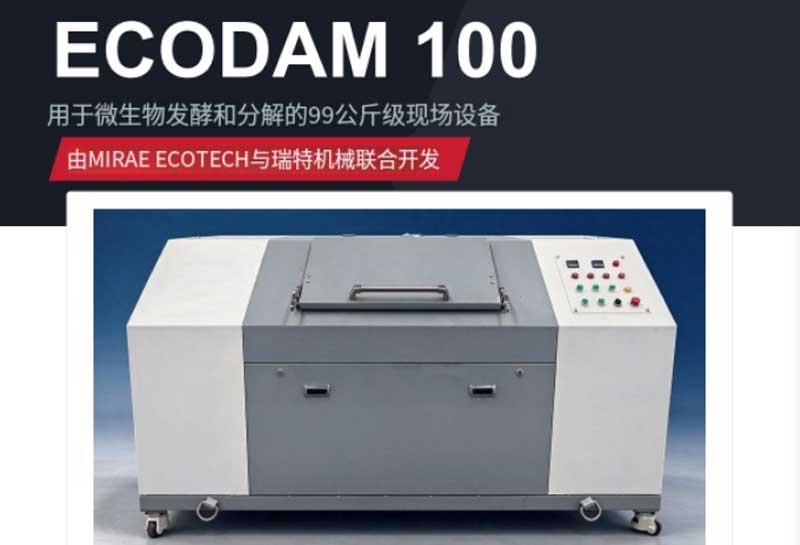
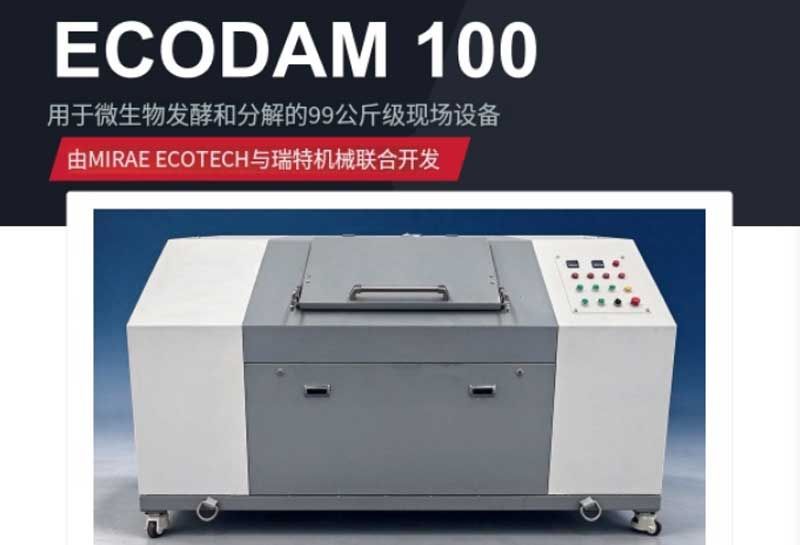
Commercial Food Waste Reduction Unit
| Standard treatment capacity: | 99 kg/day |
| Equipment weight: | 1500 kg |
| Overall dimensions: | 2104 × 1404 × 1309 mm |
| Operating temperature: | 45‑55 °C |
13523220009
This is an on‑site waste‑reduction unit designed for food waste generated from commercial and institutional kitchens.
| Item | Specification |
|---|---|
| Standard treatment capacity | 99 kg/day |
| Overall dimensions | 2104 × 1404 × 1309 mm |
| Equipment weight | 1500 kg |
| Treatment method | Microbial fermentation and decomposition |
| Operating temperature | 45‑55 °C |
Table of ContentsDevelopment Partners and Facilities 03 Fermentation & Decomposition Process 04 Product Specifications and Sample Analysis 05 Installation and Scope of Work 06 Acceptance and Maintenance 07
The ECODAM 100 commercial food waste reduction unit is jointly developed by MIRAE ECOTECH Co., Ltd. and Xinxiang Ruite Machinery Co., Ltd. ‑ MIRAE ECOTECH Co., Ltd.: An organic waste‑treatment enterprise based in South Korea ‑ Xinxiang Ruite Machinery Co., Ltd.: Manufacturing facility located in Xinxiang, Henan Province, China
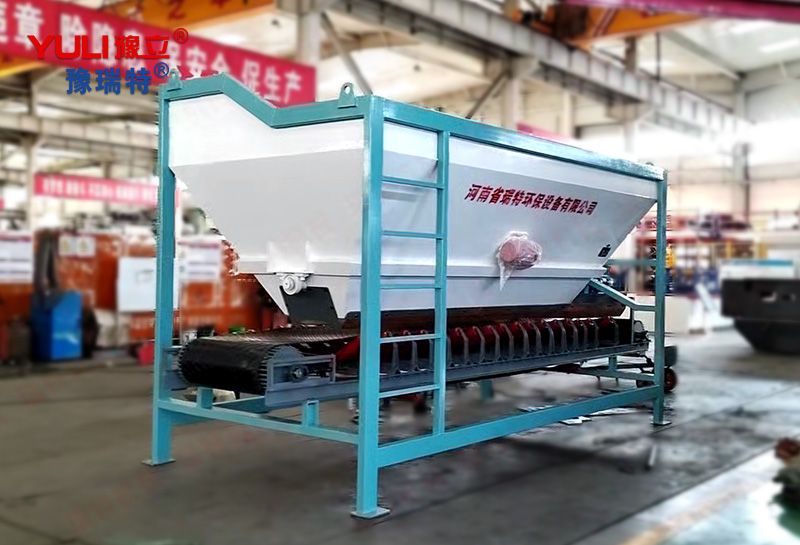
Illustration: On‑site photograph of the Ruite Machinery plant in Xinxiang, Henan Photo source: Ruite Machinery factory gallery Additional photos: Material turning at the waste‑treatment site; Ruite Machinery production workshop
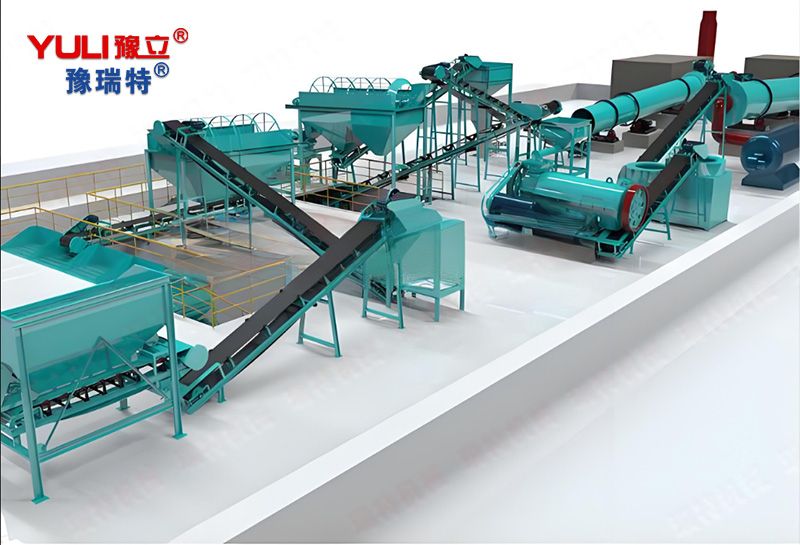
MIRAE ECOTECH delivers on‑site food‑waste reduction solutions tailored to waste output, on‑site installation constraints and operational requirements. Ruite Machinery specialises in organic‑fertilizer production lines, compost turners, mixers and screening equipment.
| Facility Type | On‑site Evaluation Criteria |
|---|---|
| Institutional kitchens | Peak volumes of post‑meal waste, operating days, waste‑collection routes |
| Workplace cafeterias | Waste output per shift, peak‑day feeding plan, service‑vehicle access |
| Commercial kitchens | Prep‑generated waste plus plate leftovers, contaminant removal, exhaust‑duct routing |
Sorted food waste is fed into the treatment chamber. Process exhaust gas and residual output material are managed separately.
Process flow chart: Sorting & Weighing → Feeding & Loading → Mixing, Fermentation & Decomposition (temperature control + air circulation). Two output streams are generated: Residual Material and Exhaust Odour Control (platinum catalyst + thermal incineration). Sorting & Weighing: Remove contaminants and record feed weight Feeding & Loading: Transfer materials into the treatment chamber
| Operation Category | Material Requirements |
|---|---|
| Items to be removed | Packaging, metals, glass, large bones, shells, hard fruit pits |
| Materials requiring advance assessment | High‑liquid, high‑salt and high‑grease food‑waste streams |
On‑site trial photographs: Feed and mixing chamber during trial run; interior of mixing chamber after trial completion
Model parameters together with laboratory test results for one sample documented in source materials.
| Parameter | Specification |
|---|---|
| Model | ECODAM 100 |
| Equipment type | 99 kg‑class commercial food‑waste reduction unit |
| Standard treatment capacity | 99 kg/day |
| Treatment method | Microbial fermentation and decomposition |
| Functional microorganisms | Lactobacillus group (refer to full model specifications) |
| Overall dimensions | 2104 × 1404 × 1309 mm |
| Equipment weight | 1500 kg |
| Operating temperature | 45‑55 °C |
| Power supply | 380 V (220 V single‑phase configuration available) |
| Odour‑control method | Platinum catalyst combined with thermal incineration |
Testing Laboratory: AT Analysis Center Co., Ltd. Sample receipt No.: 21‑05‑R296 Report issue date: 27 May 2021 Sample type: Food waste and vegetable‑based organic matter
| Organic Matter | Moisture Content | Salt Content (dry basis) | Organic‑Matter‑to‑Nitrogen Ratio |
|---|---|---|---|
| 55.42 % | 20.06 % | 0.45 % | 74.89 |
Note: Results apply solely to this single submitted sample. The organic‑matter‑to‑nitrogen ratio of this sample exceeded the report reference limit of 45. Independent verification is required for actual equipment performance and the suitability of residual material for fertiliser applications.
Site access and equipment placement must be reviewed prior to finalising electrical and exhaust‑system designs.
Delivery Access ConditionsDoorway widths, turning clearances, inter‑floor transfer space; packaged equipment dimensions, transport and lifting arrangements.
Floor Loading and Service AccessUnit dead‑weight of 1500 kg plus dynamic operating loads. Maintain clear working space for feeding, inspection and component replacement.
Electrical Installation WorksMatch site voltage and phase configuration to unit specifications. Confirm power supply circuits, circuit breakers, wiring and earthing arrangements.
Ventilation and Material LogisticsExhaust‑duct routing and discharge‑point location; routes for material feeding, container washing and residue removal.
Reference layout of equipment during field demonstration. Delivery and installation requirements shall be individually confirmed for each project.
| Document Category | Required Information |
|---|---|
| Site‑related documents | Floor plans, on‑site photographs, access dimensions, power‑supply and exhaust‑outlet locations |
| Operating‑condition data | Average‑ and peak‑day waste volumes, feedstock composition, operating days, waste‑generation time windows |
| Equipment documentation | General‑arrangement and installation drawings, rated power, supply frequency, exhaust‑port specifications, batch‑feed limits, additive replenishment requirements |
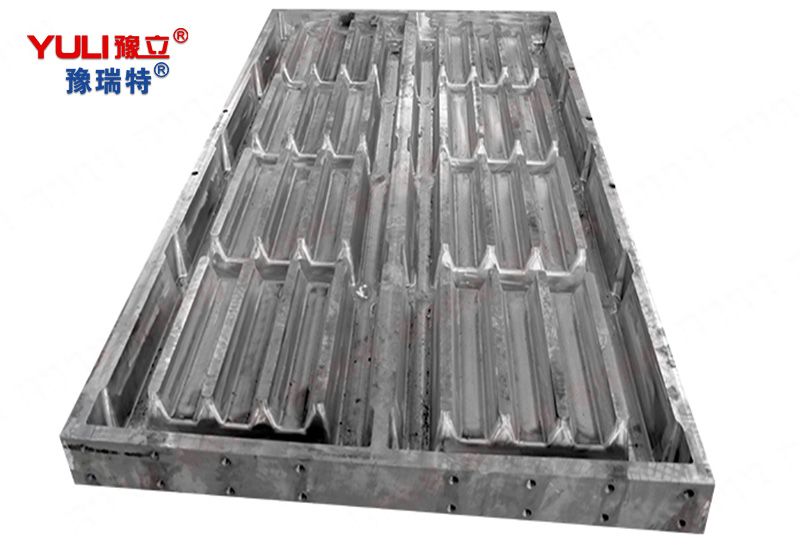
Mainly engaged in core products such as slatted board production lines and slatted board molds
Strong strength · Excellent equipment · Quality assurance · Customer first · Win-win cooperation
CONTACT:Manager Li 13523220009
TEL:0373-7774868
ADDRESS:South of the middle section of Weiqi Road, Xinxiang Economic and Technological Development Zone
 Follow us
LINK:
Xinxiang Ruite Machinery Co., Ltd ICP:豫ICP备10026059号-2
13523220009
扫一扫 关注我们