ABOUT US
Adhering to the spirit of "dedication and focus", we provide craftsmanship products and serve millions of users

HOME
ABOUT US
PRODUCTS
Case
plan
NEWS CENTER
contact us
CHINESE
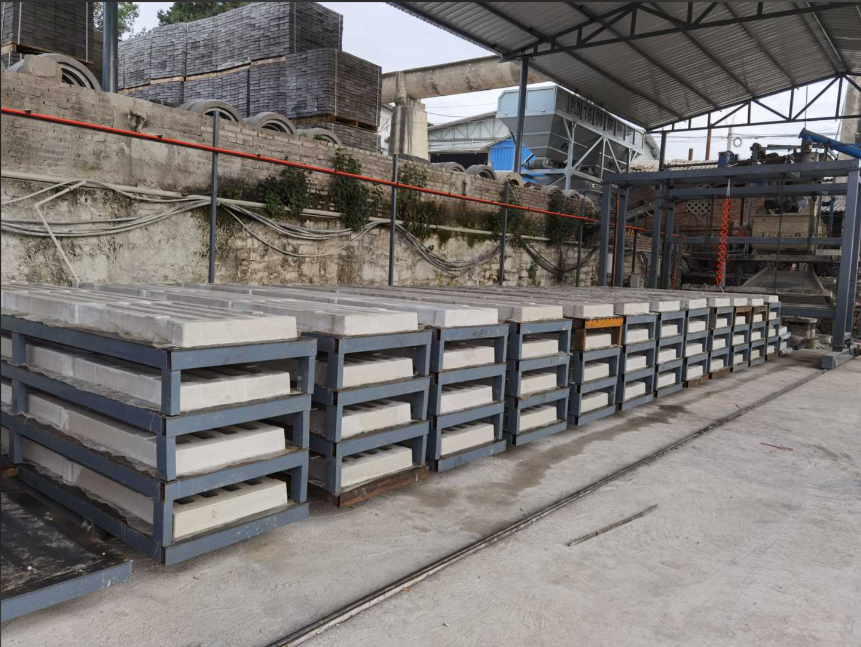
In modern livestock farming, slatted flooring serves as a core component of barn construction, directly affecting manure removal efficiency, animal health, and the long-term operating costs of a farm. Currently, the mainstream materials on the market include machine-made cement, cast iron, plastic, and composite materials, each with different performance characteristics and suitable applications.
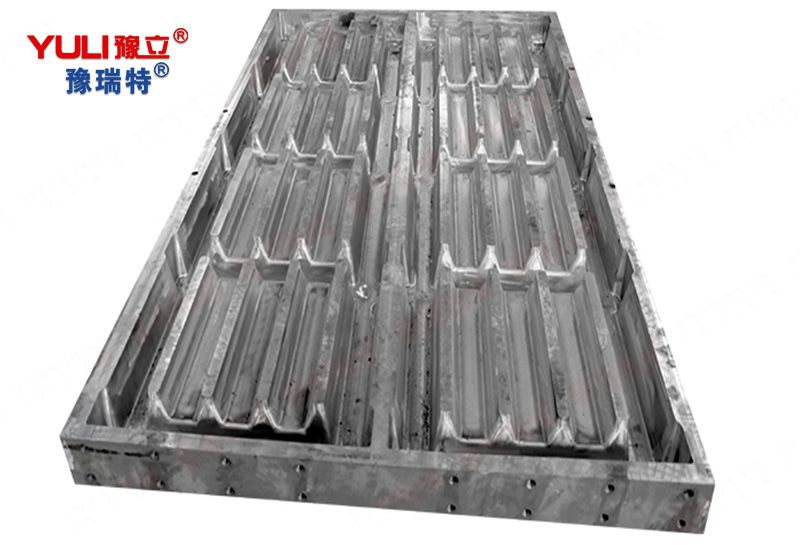
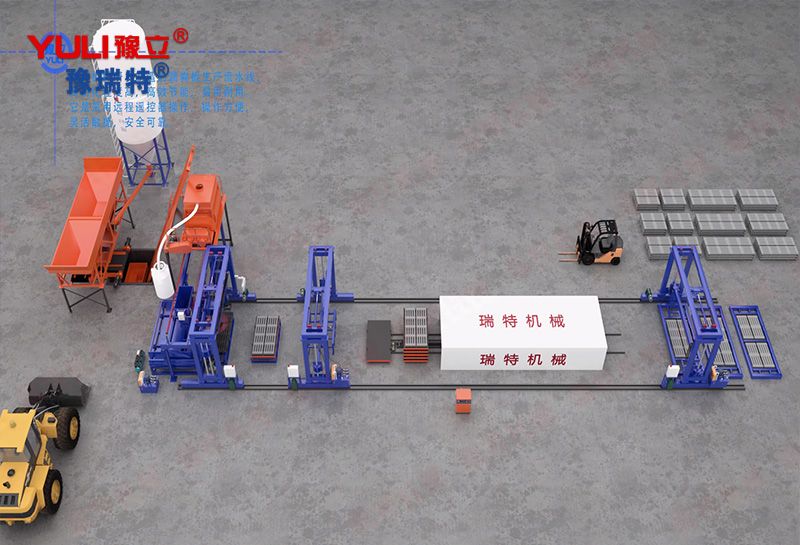
Machine-made cement slatted flooring is produced from high-grade cement, steel mesh, quartz sand, and other composite materials, formed through fully automated batching and mixing and high-strength vibration platform pressing. Its core advantages are reflected in the following aspects:
Strong load-bearing capacity and rugged durability. Machine-made cement slatted flooring typically contains a double-layer threaded steel mesh, with a load-bearing capacity of over one ton, making it suitable for fattening pigs, cattle, sheep, and other large livestock. After standard curing, the strength can reach C40 grade, with a normal service life of 10 to 20 years—products using high-performance concrete technology can last even longer.
Corrosion-resistant and maintenance-free. The cement material itself does not rust or age, and it naturally withstands the acidic and alkaline components in manure. It will not develop rust or become brittle from long-term exposure to manure and urine. Routine maintenance requires only rinsing with a high-pressure water gun, with no need for frequent replacement.
Mature anti-slip and hoof protection design. Modern machine-made cement slatted flooring features an anti-slip, wear-resistant surface treatment, and the edges of the manure slots are polished into rounded arcs, effectively preventing sharp edges from injuring livestock hooves.
It is worth noting that cement slatted flooring is relatively heavy, making transportation and installation more labor-intensive. After cleaning, its surface temperature is relatively low, so additional insulation measures are needed in winter to ensure the comfort of young livestock.
Cast iron slatted flooring is made from ductile iron. It is durable, with a smooth and rounded surface that allows manure and urine to fall through smoothly, making cleaning very convenient. It is widely used in intensive pig farms.
However, cast iron slatted flooring is the most expensive among common materials, and its weight is comparable to cement boards, making installation and maintenance costs significant. For farms with limited budgets or those seeking long-term return on investment, its economic efficiency is inferior to cement slatted flooring.
Plastic slatted flooring is molded from engineering plastics. It is lightweight, corrosion-resistant, easy to disassemble and install, and feels warmer to the touch than cement or cast iron, making it very suitable for piglet nursery pens and the piglet activity areas of farrowing crates.
However, plastic slatted flooring has relatively weak load-bearing capacity and its surface is prone to slipping, which may cause instability when larger pigs stand on it. In addition, plastic materials have specific thickness requirements—boards that are too thin cannot support the weight of larger groups of pigs, so specifications must be carefully confirmed at the time of purchase. The service life of plastic slatted flooring is generally shorter than that of cement and cast iron materials, resulting in higher replacement frequency over the long term.
Composite (such as BMC) slatted flooring uses unsaturated resin as its matrix, with glass fiber reinforcement added. It has good mechanical strength and thermal insulation performance, with low thermal conductivity, providing a "warm in winter, cool in summer" effect. Its surface is smooth and treated for anti-slip, does not injure pig hooves, and resists acid and alkali corrosion.
However, composite slatted flooring costs more than cement boards, and its load-bearing capacity is inferior to cement and cast iron. Its durability in high-density large livestock farming scenarios remains to be verified.
| Comparison Dimension | Machine-Made Cement Slatted Flooring | Cast Iron Slatted Flooring | Plastic Slatted Flooring | Composite Slatted Flooring |
|---|---|---|---|---|
| Load-Bearing Capacity | Extremely strong (over 1 ton) | Extremely strong | Relatively weak | Moderate |
| Service Life | 10–20+ years | Very long | Relatively short | Moderate |
| Corrosion Resistance | Excellent | Requires surface treatment | Excellent | Excellent |
| Anti-Slip Performance | Anti-slip surface treatment | Good | Prone to slipping | Anti-slip treated |
| Thermal Insulation | Average (cold in winter) | Poor | Good | Excellent |
| Cost | Low | Highest | Medium-high | Medium |
| Maintenance Cost | Extremely low | Low | Requires periodic replacement | Relatively low |
| Suitable Applications | Fattening barns, breeding and gestation barns, cattle and sheep barns | Intensive pig farms | Nursery pens, farrowing crates | Multi-scenario applications |
Slatted flooring of different materials each has its suitable farming stages and scenarios. Cast iron and plastic materials have irreplaceable advantages in specific applications, while machine-made cement slatted flooring offers a significant and balanced advantage in load-bearing capacity, service life, corrosion resistance, and overall cost. It is especially suitable for fattening barns, breeding and gestation barns, and the farming needs of large livestock such as cattle and sheep. For farms pursuing long-term stable operations and hoping to reduce equipment replacement frequency and maintenance investment, machine-made cement slatted flooring is a pragmatic choice worth prioritizing.
CONTACT:Manager Li 13523220009
TEL:0373-7774868
ADDRESS:South of the middle section of Weiqi Road, Xinxiang Economic and Technological Development Zone
 Follow us
LINK:
Xinxiang Ruite Machinery Co., Ltd ICP:豫ICP备10026059号-2
13523220009
扫一扫 关注我们